

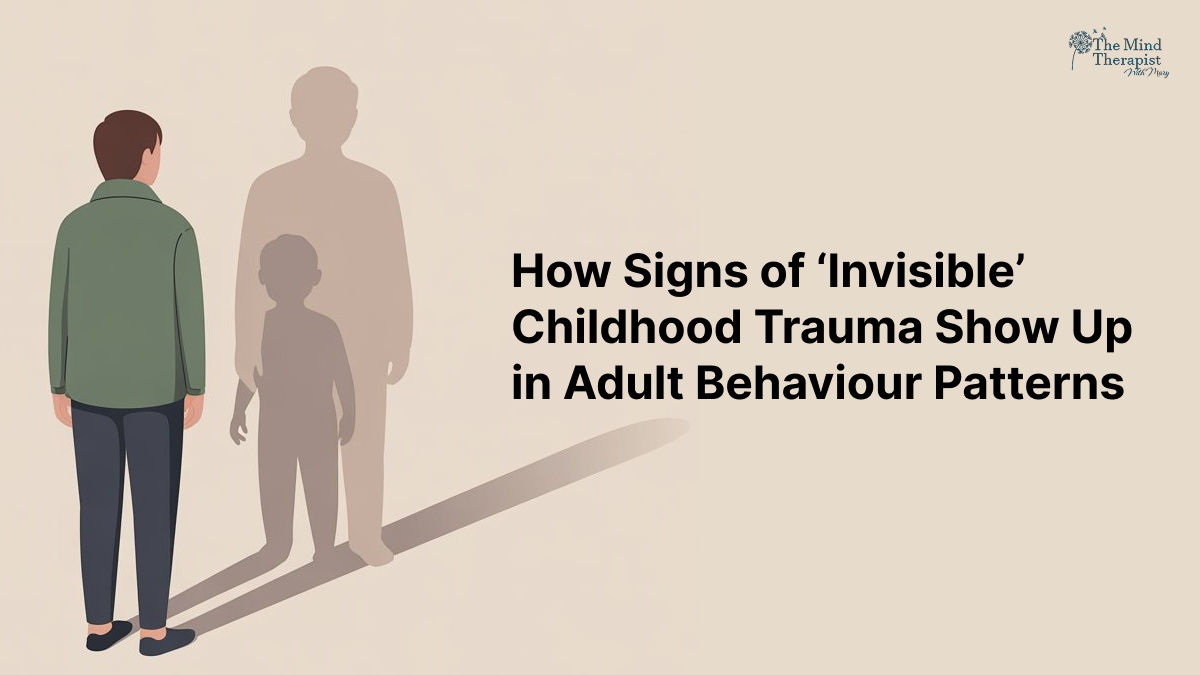
You think you know why you snap, freeze, or push yourself back in conversations. You think it’s just who you are. But what if it started long before you even knew the word trauma?
Most adults wander through life thinking these reactions are just their personality. Some say they’re anxious. Others claim they’re too sensitive, too cautious, too hard on themselves. The matter of fact is, this began long ago.
Childhood wounds aren’t always visible. Sometimes it’s silence. Neglect. Being invisible. Homes that seemed fine but never felt safe.
When safety is missing, your mind finds a way to survive. It builds walls, habits, shields. And those stay. They shape how you act, who you trust, even how you see yourself.
You will learn:
- What invisible childhood trauma actually means
- How early emotional gaps shape adult behaviour
- Why your reactions make sense instead of being flaws
- The patterns that show up in everyday life
- Why awareness and support can change your future at any stage
What “Invisible Trauma” Actually Means When Nothing Looked Wrong on the Outside
Invisible trauma comes from emotional absence rather than visible harm.
It may include:
- Caregivers who were physically present but emotionally distant
- Being told you were too sensitive or dramatic
- Feelings being ignored, dismissed, or minimised
- Living around tension, unpredictability, or criticism
From the outside, life may have looked stable. Inside, a child learned that emotions were inconvenient or unsafe.
The mind responds by adjusting. Those early adjustments continue to influence adult reactions long after the environment has changed.
The Survival Traits You Learned as a Child That Now Run Your Adult Life
Children adapt quickly to emotional conditions. What helped you cope then may now be guiding your decisions without you noticing.
Common survival patterns include:
- Constantly scanning people’s moods
- Avoiding conflict even when something feels unfair
- Taking responsibility for other people’s emotions
- Overachieving to earn approval
- Staying small to avoid attention or criticism
These were intelligent responses to early environments. The adult nervous system often keeps using the same rules, even when they are no longer needed.
That is when survival habits begin shaping identity.
People Pleasing, Over-Explaining, and the Fear of Disappointing Anyone
People pleasing isn’t about being nice. It’s about avoiding risk.
You might rush to agree, then feel stressed about it later. A small look of disapproval might play on your mind for days.
Over-explaining is another sign. Decisions feel like they need justification, as if approval must be secured before you can relax.
This pattern develops when acceptance once depended on keeping others comfortable. Over time, your own needs become harder to recognise and harder to prioritise.
The Quiet Voice That Says You Are Never Enough
Early emotional neglect quietly breeds low self-worth.
You might notice:
- Questioning your abilities even when you have a track record of success
- Questioning your abilities even when you have a track record of success
- Downplaying your achievements or convincing yourself they were just luck
- Feeling like you don’t truly belong at work or in social situations
- Finding it hard to accept compliments or recognition
- Constantly raising your own standards, so nothing ever feels enough
When validation was inconsistent growing up, the internal voice became critical and demanding. No level of achievement feels secure because approval never feels stable.
This pressure silently drives your career, relationships, and risks.
Why Closeness Can Feel Both Comforting and Terrifying at the Same Time
Being near someone can feel like standing in fire. A pause, a small change in their voice, even nothing at all, can slam into you like rejection.
Some days you cling. Other days you pull away almost automatically to protect yourself. That push and pull is not you being difficult. It is your brain trained to expect the ground to shift beneath you. Even safe relationships can feel uncertain because consistency was never guaranteed earlier in life.
The reaction is automatic. Logic often arrives later.
Overthinking, Emotional Overload, and the Nervous System That Never Fully Switches Off
Many people assume they are naturally anxious or overly sensitive. In many cases, their system has simply been trained to stay alert.
Signs include:
- Replaying conversations repeatedly
- Preparing for worst-case scenarios without meaning to
- Feeling drained after normal social interactions
- Reacting strongly to minor criticism
- Finding it difficult to relax even when nothing is wrong
This constant mental activity comes from a protective system that learned early to monitor emotional risk.
The shift happens when reactions are seen as habits, not traits.
Awareness Changes the Story, and Healing Can Begin at Any Age
Recognition changes how you relate to yourself. When patterns are connected to early emotional conditions, self-blame begins to soften.
Support can help you:
- Identify triggers and recurring responses
- Build boundaries without guilt
- Develop emotional regulation skills
- Strengthen a stable sense of self-worth
- Create responses based on your present life rather than past environments
Many delay therapy, thinking their childhood “wasn’t bad enough.” But emotional neglect leaves scars, even without visible wounds.
The nervous system remains capable of change throughout life. Healing is possible at any stage.
Final Word
It’s not fate screwing you over. It’s that shadow from years ago, buried deep, still murmuring in your ear, yanking the strings while you cling to this illusion of control.
You don’t have to play by its rules anymore. You can look it in the eye, call it out, and stop letting it run your life. That’s what The Mind Therapist is for. We help you cut through the noise and show you where the chains are.
What got you through the past shouldn’t run your life anymore.
Finding your voice isn’t about perfection, it’s about presence.