


Manage Your Phobias
Phobias represent intense and irrational fears of specific objects, situations, or activities that generally pose little to no real danger. As a type of anxiety disorder, phobias can profoundly affect an individual’s daily life, relationships, and overall well-being. Many people find that hypnotherapy for phobias provides a direct path to the subconscious mind to resolve these deep-seated fears.
What Is a Phobia?
A phobia goes beyond mere fear; it is a persistent and excessive reaction that often leads to avoidance behavior. When someone with a phobia confronts—or even thinks about—the object of their fear, they may experience a range of distressing symptoms, including:
- Intense anxiety or panic
- Rapid heartbeat
- Shortness of breath
- Nausea or dizziness
- Sweating or trembling
- An overwhelming urge to escape
Even when individuals recognize that their fear is irrational, they frequently find it challenging to manage their emotional and physical responses.
Types of Phobias
Phobias can typically be divided into three main categories:
1. Specific (Simple) Phobias: These involve fear of particular objects or situations such as:
- Animals (e.g., spiders, dogs, snakes)
- Natural environments (e.g., heights, water, storms)
- Medical situations (e.g., needles, blood, dental visits)
- Situational factors (e.g., flying, elevators, enclosed spaces)
2. Social Phobia (Social Anxiety Disorder): This type involves an intense fear of being judged, embarrassed, or humiliated in social settings or performance-related scenarios—such as public speaking or eating in front of others.
3. Agoraphobia: This is the fear of being in situations where escape might be difficult or where help may not be accessible during a panic attack. Individuals with agoraphobia often avoid public spaces, crowds, and even leaving their homes.
How Do Phobias Develop?
Phobias frequently originate in childhood or adolescence and can be triggered by various factors including:
- Traumatic experiences (e.g., being bitten by a dog)
- Learned behaviors (e.g., observing a parent’s fearful reactions)
- Genetic predisposition and brain chemistry (some individuals are more susceptible to anxiety disorders)
Understanding phobias helps us recognize their profound impact on those who suffer from them and emphasizes the importance of seeking support for those affected.


Hello, I’m Mary Galanis
As an accredited Strategic Psychotherapist and Clinical Hypnotherapist, I am dedicated to guiding you through life's challenges with a practical yet compassionate approach. I recognize that issues with anger can leave you feeling powerless, overwhelmed, and confused. My mission is to empower you by providing the tools and treatments necessary for healing and regaining control via anger management.
I focus on delivering tangible results through personalized treatment plans that incorporate a variety of proven methods, including Hypnosis, EMDR for trauma, Psychotherapy, and Somatic Healing. Your holistic well-being remains at the heart of our collaborative efforts.
Clinical Hypnotherapy and Strategic Psychotherapy are respected by medical professionals as safe and effective approaches for addressing anger management and other related issues. My goal is to help you achieve peace of mind swiftly and effectively through tailored treatments designed specifically for your needs.
Outside of my professional life, I cherish moments spent with my two adult daughters, practice yoga regularly, and unwind with my two cats. I believe in continuous growth—both personally and in my practice—and I strive to assist you in becoming a well-balanced individual who embodies the best version of yourself.
Together, we will embark on a unique journey toward improved wellness through your customized treatment plan.
Here’s to better and better.



Treating Phobias with Hypnotherapy and Psychotherapy
Treating Phobias with Hypnotherapy: A Comprehensive Look at Mind-Body Healing
Phobias rank among the most prevalent and disruptive anxiety disorders. They can lead to intense fear and avoidance of specific objects, activities, or situations—often severely impacting daily life. While conventional treatments such as cognitive behavioral therapy (CBT) and exposure therapy are effective for many individuals, an increasing number are exploring hypnotherapy as a viable alternative or complementary method for addressing phobias.
Understanding Phobias
A phobia is characterized by an intense, irrational fear of something that poses little or no actual threat. Unlike general feelings of fear or nervousness, phobias elicit anxiety responses that can be overwhelming and often disproportionate to the perceived danger.
Common Types of Phobias Include:
Specific phobias: Examples include fear of spiders (arachnophobia), heights (acrophobia), or flying (aviophobia).
Social phobia: This entails an intense fear of social situations or being judged by others (also referred to as social anxiety disorder).
Agoraphobia: This involves a fear of being in places or situations where escape may be challenging.
These fears frequently lead individuals to avoid particular places, people, or activities—ultimately restricting their lifestyle and diminishing their quality of life.
What Is Hypnotherapy?
Hypnotherapy is a therapeutic technique that utilizes hypnosis, a focused state resembling trance, to access the subconscious mind. During hypnosis, individuals become more receptive to suggestions and can explore thoughts, memories, and emotions that are typically hidden or suppressed.
Hypnotherapy can be applied to various issues including:
* Anxiety and panic
* Trauma
* Weight management
* Insomnia
* Phobias
It is a collaborative process, guided by a trained hypnotherapist who assists individuals in reframing negative thought patterns and emotional responses.
How Hypnotherapy Helps with Phobias
Phobias are not merely learned responses—they often have their origins in the subconscious mind. Whether stemming from traumatic events, early childhood experiences, or learned behaviors, these fears become deeply ingrained and may resist conscious efforts to overcome them.
Hypnotherapy assists by:
1. Accessing the subconscious: Hypnosis allows both therapist and client to bypass the analytical part of the brain and work directly with the subconscious where fears reside.
2. Uncovering root causes: Many individuals do not recall the initial cause of their phobia. Hypnotherapy can help bring those buried memories back into consciousness so they can be addressed.
3. Reframing the fear: Once identified, therapists can assist clients in reinterpreting their fears in ways that diminish emotional intensity.
4. Desensitizing triggers: Through guided imagery and suggestion techniques during sessions, hypnotherapy helps reduce emotional reactions when confronted with feared stimuli.
5. Building confidence and calmness: Hypnosis can instill positive suggestions aimed at fostering feelings of safety, control, and resilience.
A Typical Hypnotherapy Session for Phobias
A hypnotherapy session generally starts with a discussion about the phobia itself—how it developed (if known) and its impact on daily life.
The session usually follows :
Induction: The therapist guides the client into a deeply relaxed state.
Exploration: Clients may be prompted to recall instances when they first experienced this fear or any related events.
Suggestion: The therapist introduces empowering beliefs or visualizations (for example, envisioning oneself calm during encounters with their fear).
Reinforcement: Suggestions are reiterated throughout sessions to solidify new neural pathways and behavioral responses.
Re-orientation: The client is gradually brought back to full awareness at session's end.
Most participants report feeling calm, relaxed, and more in control after each session.
Benefits of Hypnotherapy for Phobias
Here are several reasons why hypnotherapy is gaining popularity as an effective treatment option for phobias:
✅ Access to Root Causes
Phobias often originate from childhood experiences or deep-seated emotional wounds; hypnotherapy uncovers these hidden memories for resolution.
✅ Non-Invasive & Drug-Free
No medication is required during treatment; this significantly reduces potential side effects associated with pharmaceuticals.
✅ Personalized Approach
Each session is tailored specifically around individual experiences while addressing unique triggers and desired outcomes.
✅ Fast Results for Some Individuals
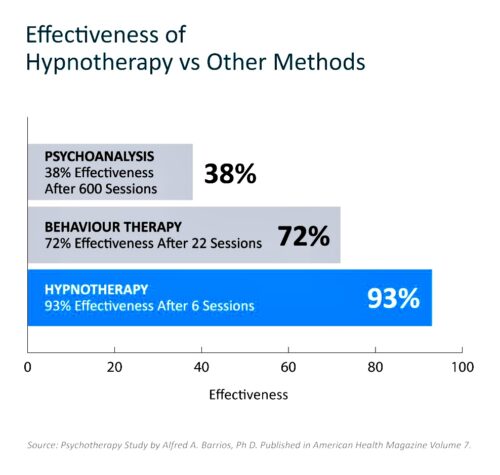
Many clients report noticeable improvements within just a few sessions—particularly those struggling with mild-to-moderate phobias.
✅ Can Complement Other Therapies
Hypnotherapy integrates seamlessly alongside psychotherapy practices while also enhancing exposure therapies through mindfulness approaches.
Success Stories
I had a fear of spiders from a young child. I couldnt bear to even look at them - let alone wach them crawl Having hypnotherapy is the best thing I ever did with Mary